Amid the escalating violations associated with repeated attacks by Israeli occupation forces and settlers in the West Bank, and the accompanying land confiscation and forced displacement of hundreds of Palestinian families—particularly in Area C—displaced populations are facing an extremely harsh humanitarian reality. This situation has a direct and profound impact on their mental health, as they are living in unstable environments that lack even the most basic levels of safety and protection
In this context, PSCCW continues its emergency interventions aimed at reaching affected families and providing humanitarian assistance, as well as psychosocial support services, contributing to alleviating the severity of crises and strengthening individuals’ capacity to remain resilient in the face of current conditions.
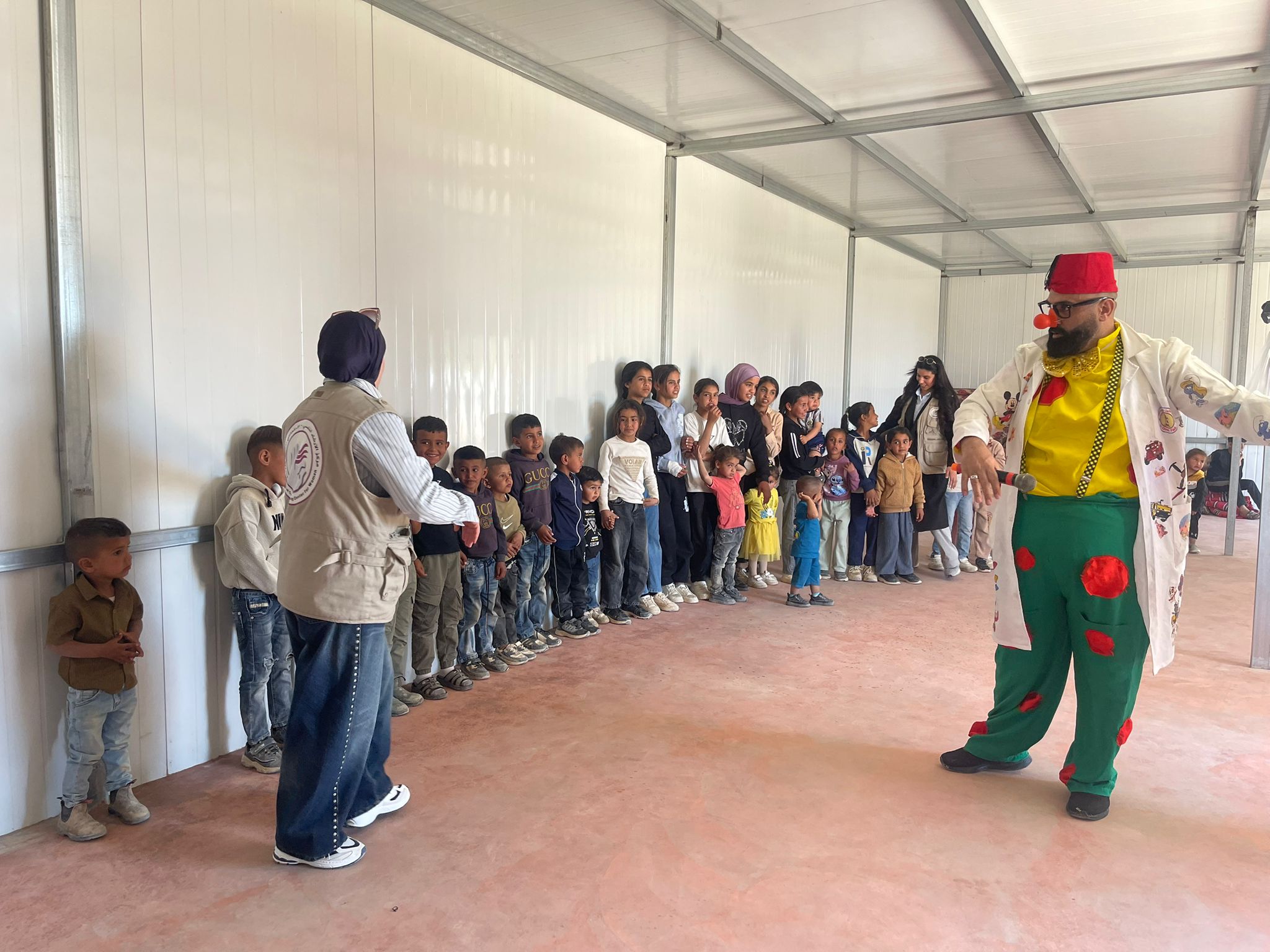
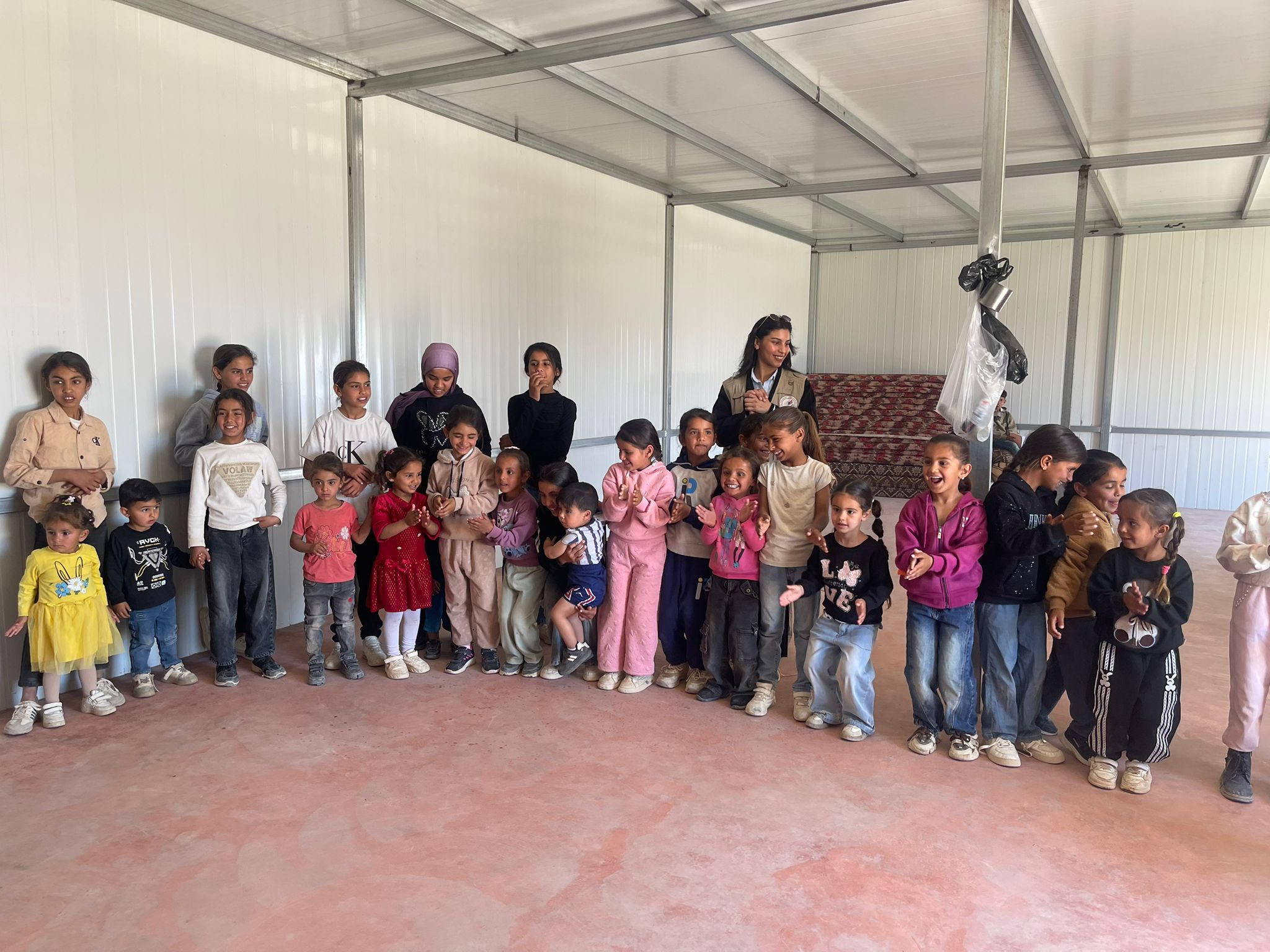
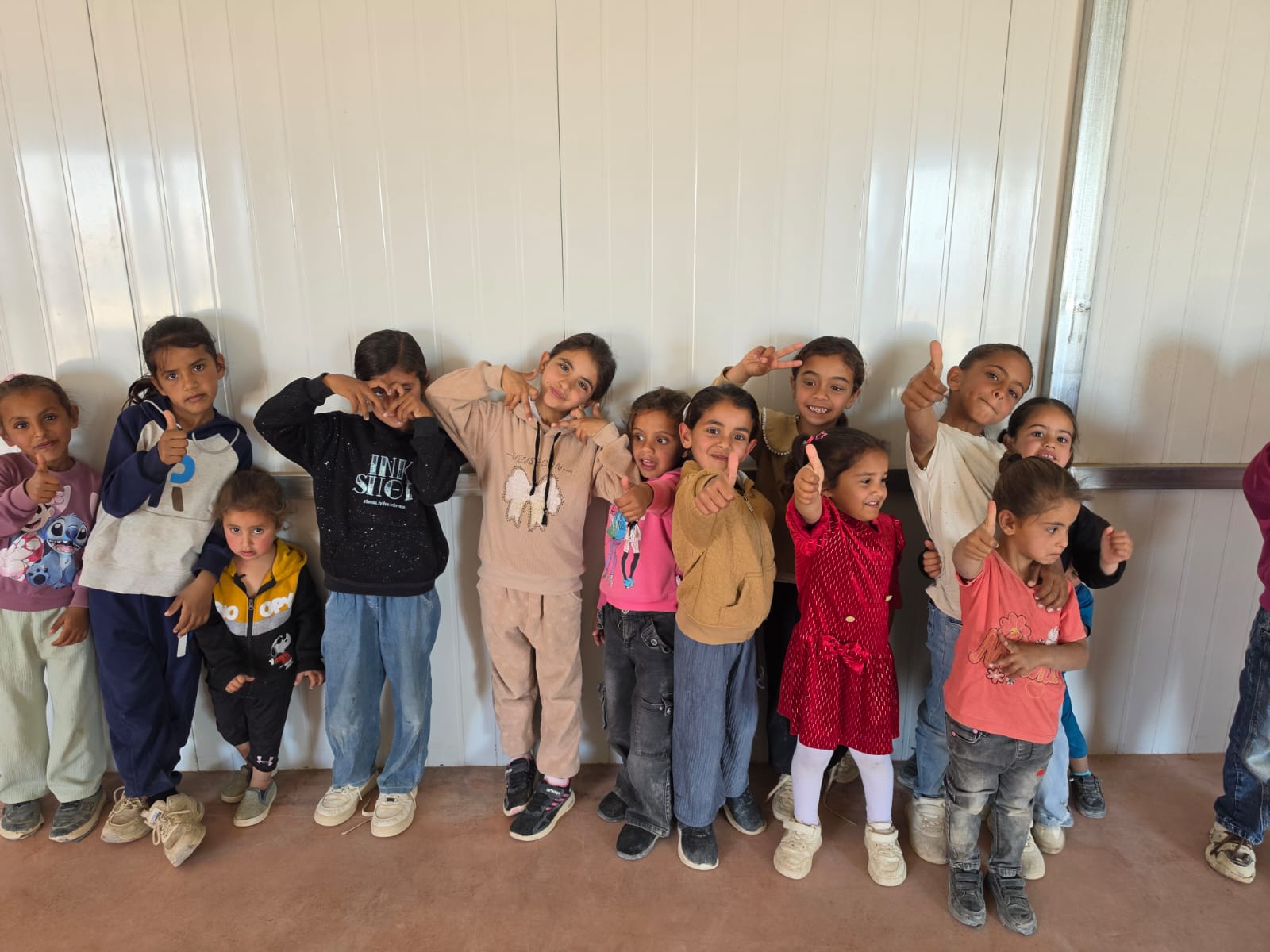
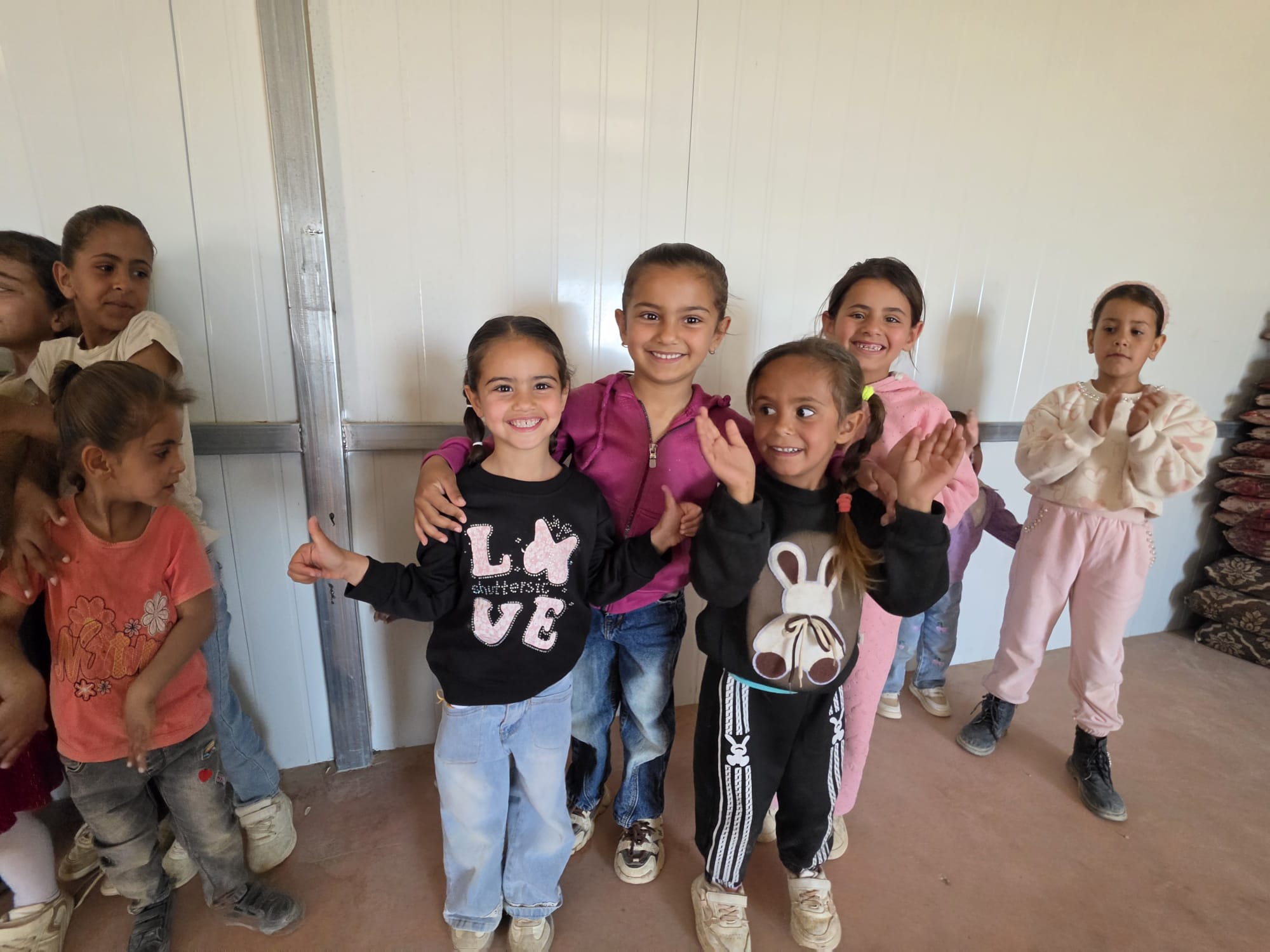
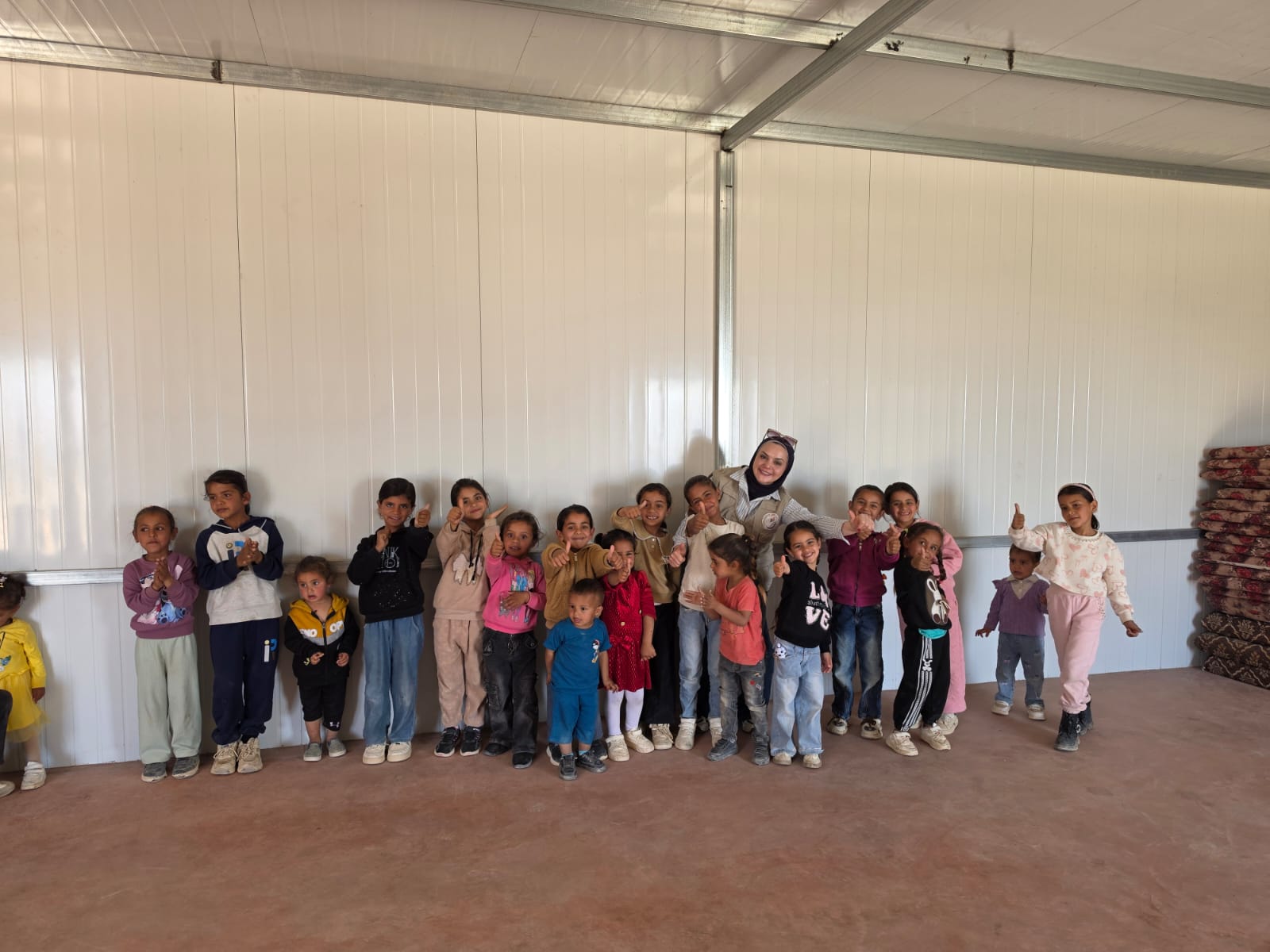
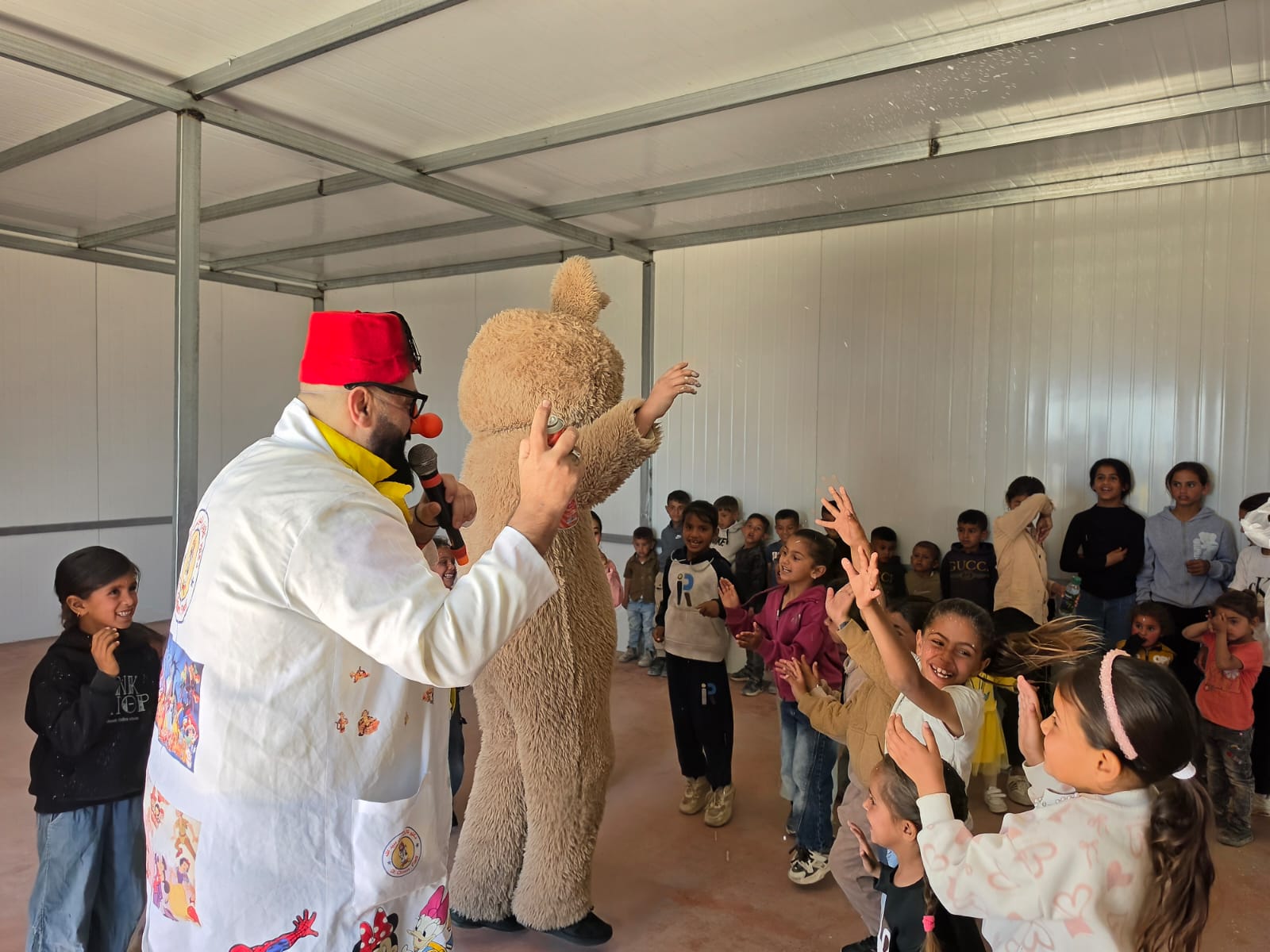
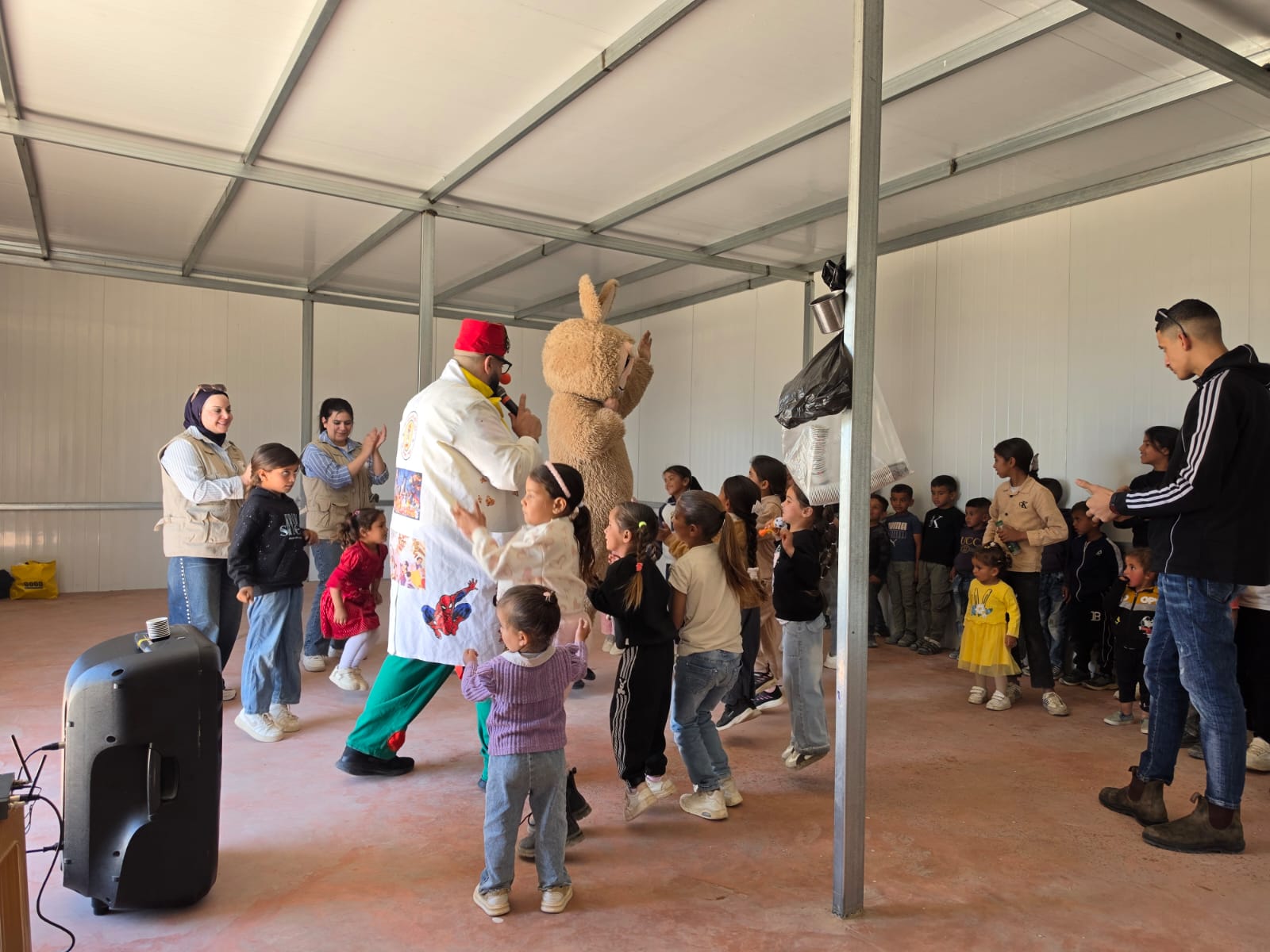
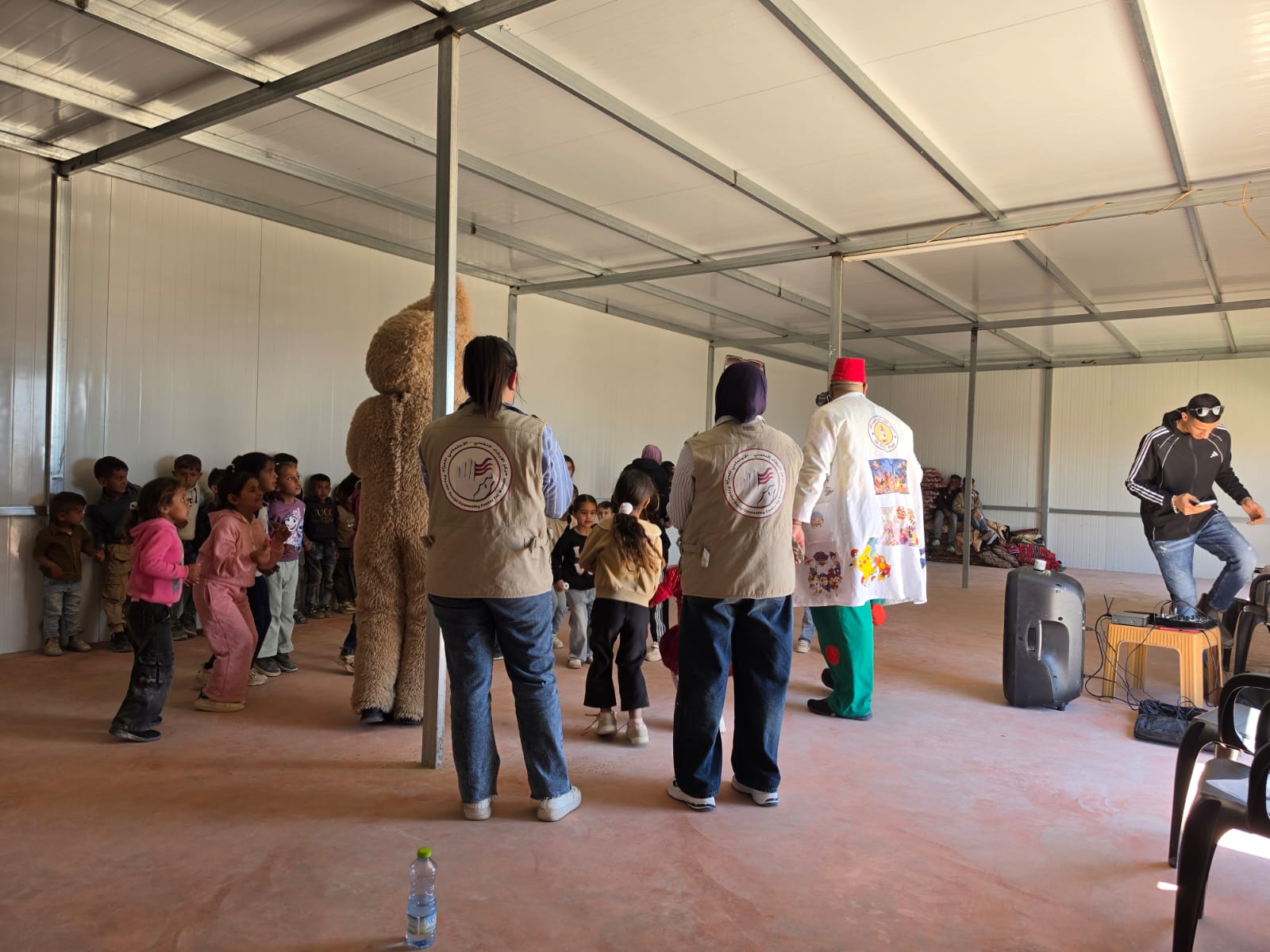
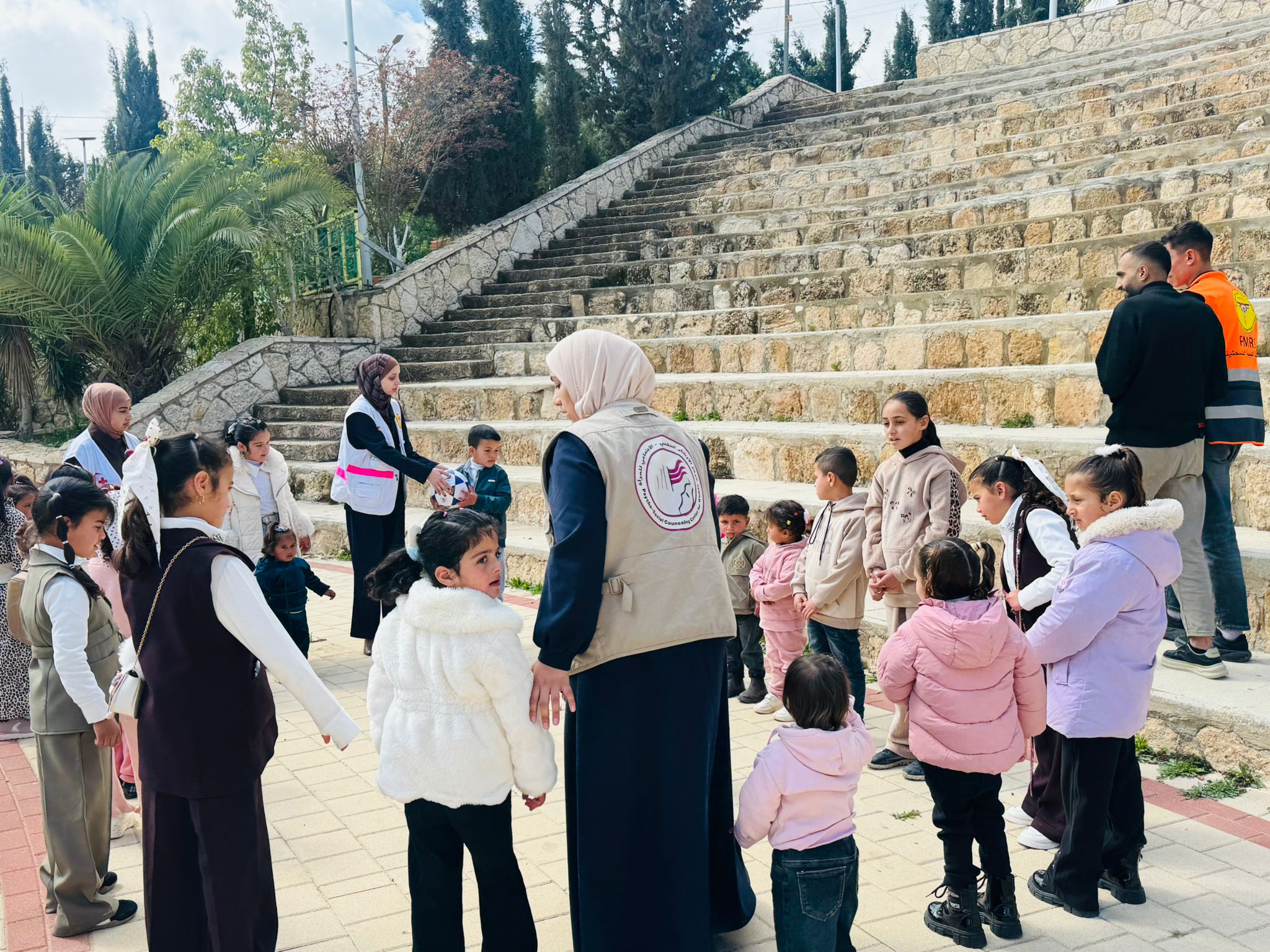
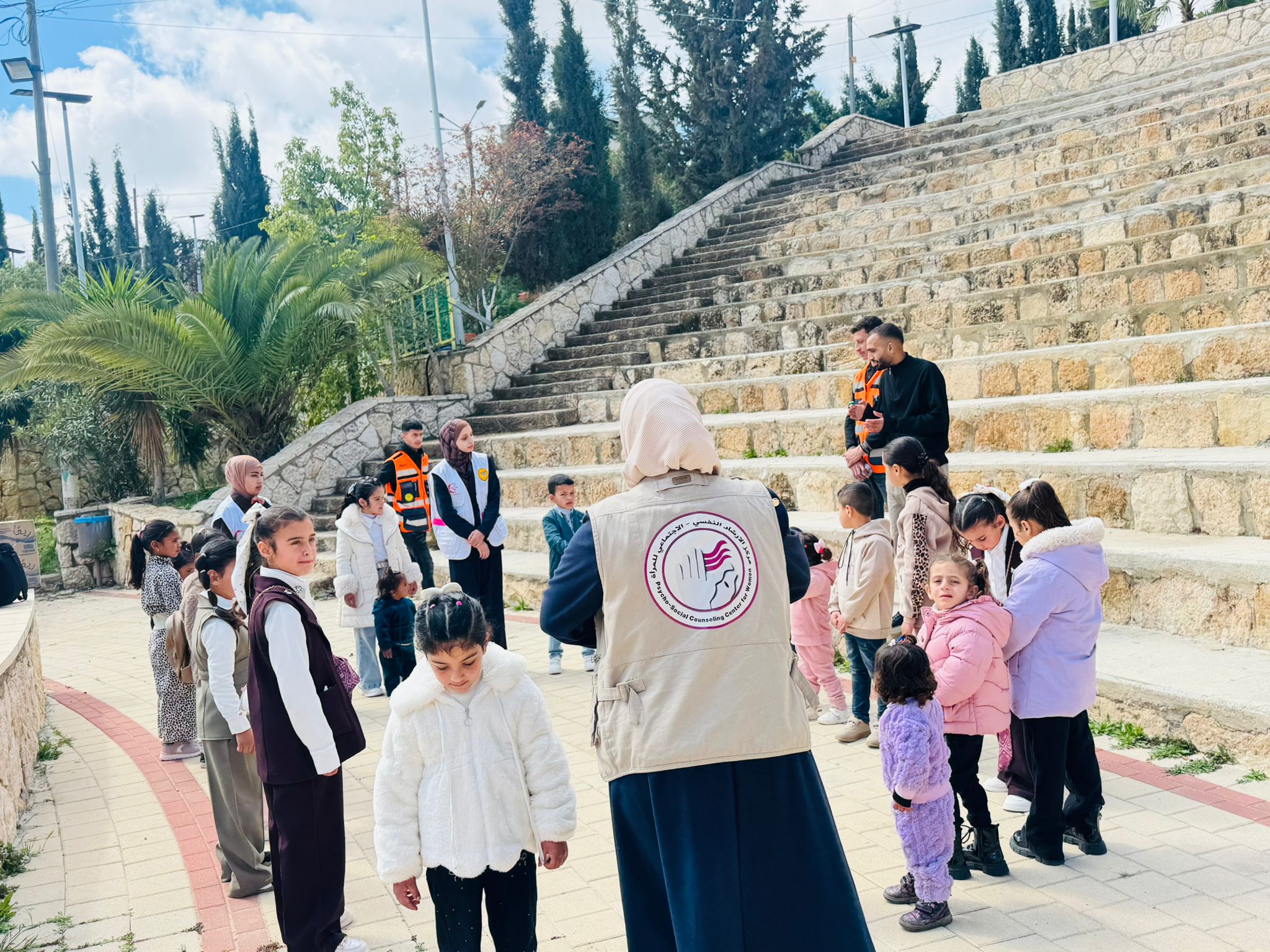
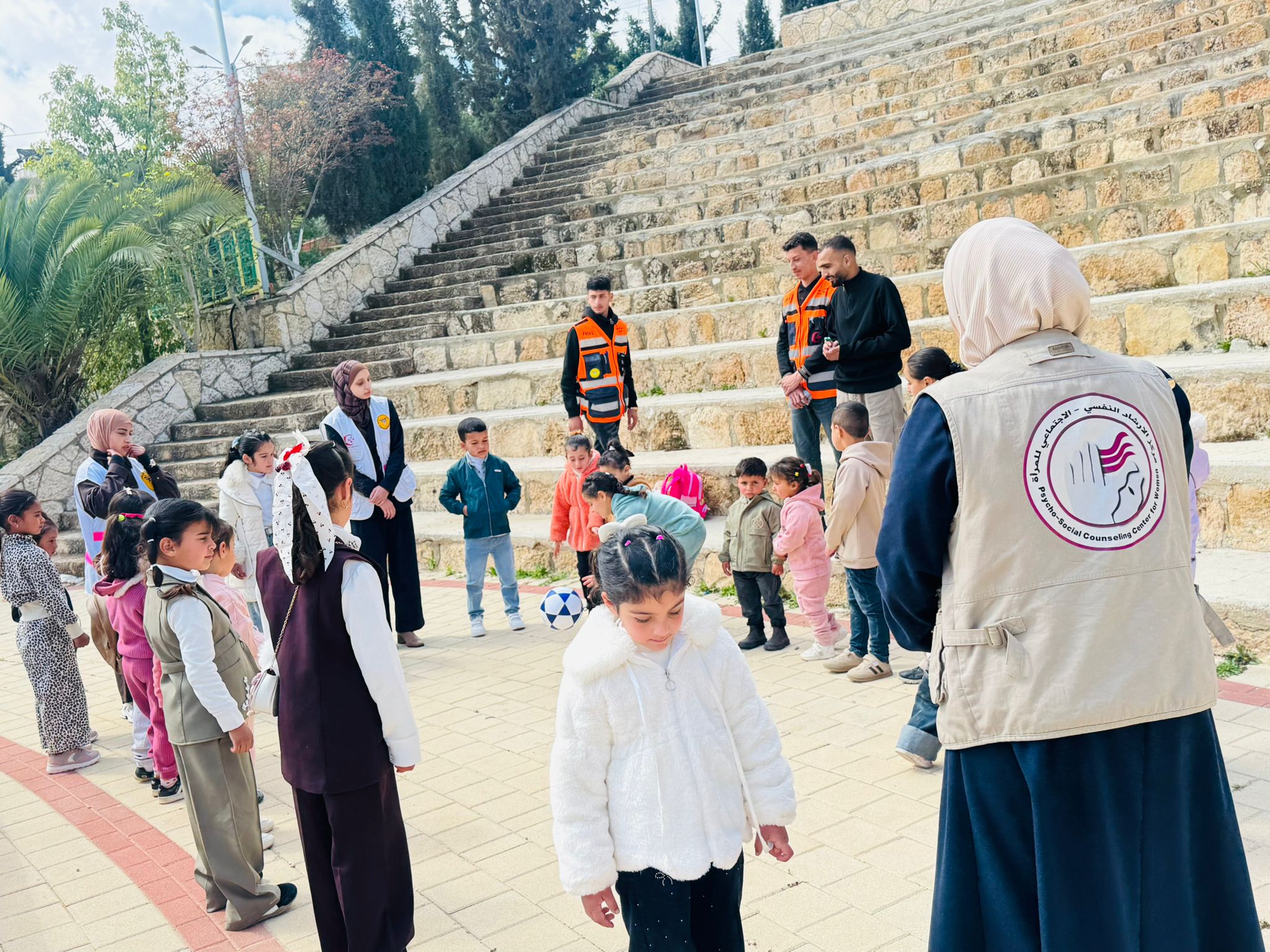
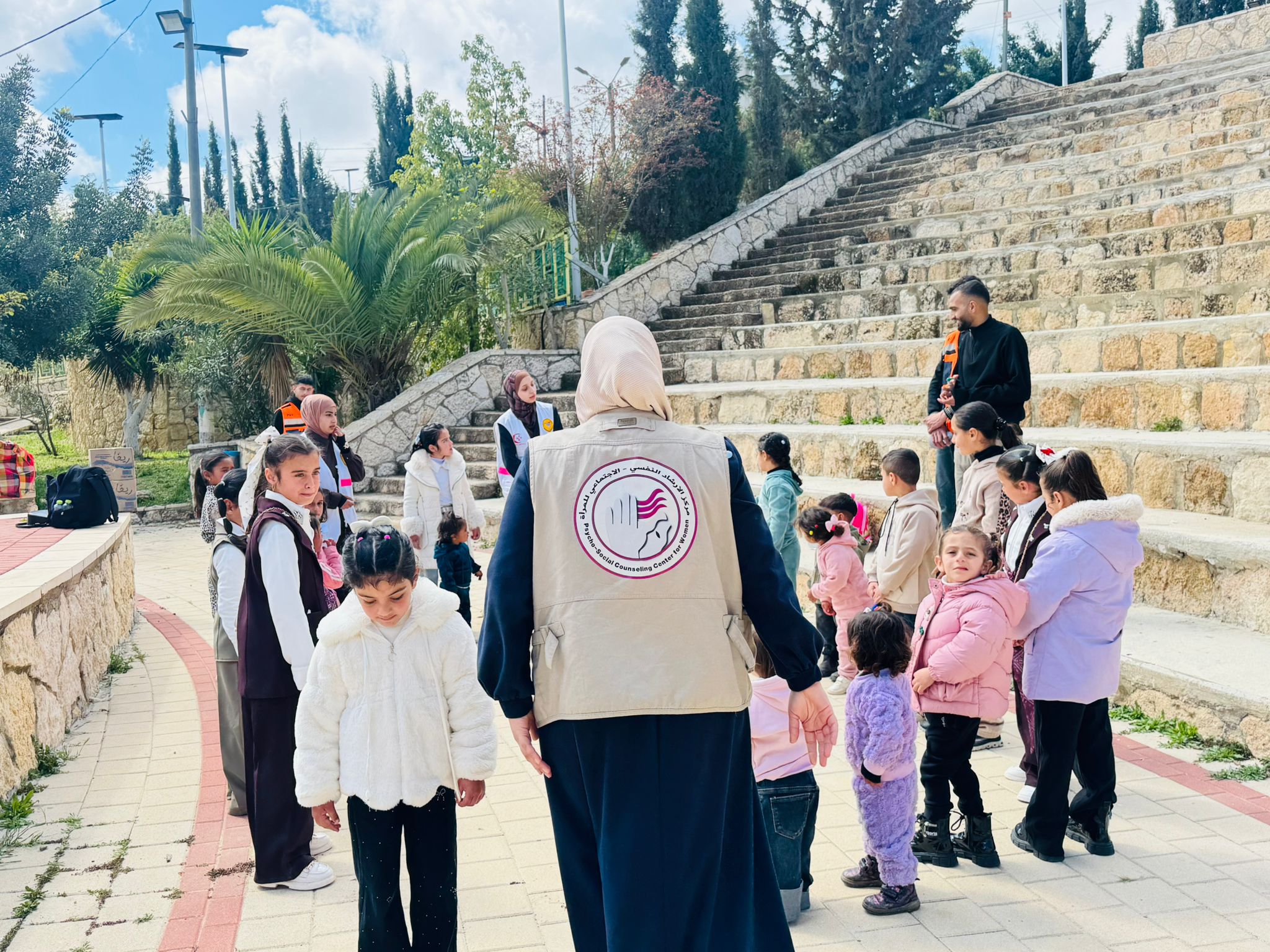
As part of its ongoing response, PSCCW implemented recreational activities targeting two groups of displaced children in Jericho and Hebron governorates. These activities were carried out its efforts to promote mental well-being and provide psychosocial support within the context of displacement and the difficult living conditions faced by affected families.
These interventions are implemented under the project “Safe Care: Integrating safeguarding and the prevention of sexual exploitation and abuse (PSEA) into emergency and health responses,” funded by UNICEF, and build on previous emergency humanitarian interventions that included the distribution of relief packages to displaced families to help ease living burdens and strengthen their resilience.
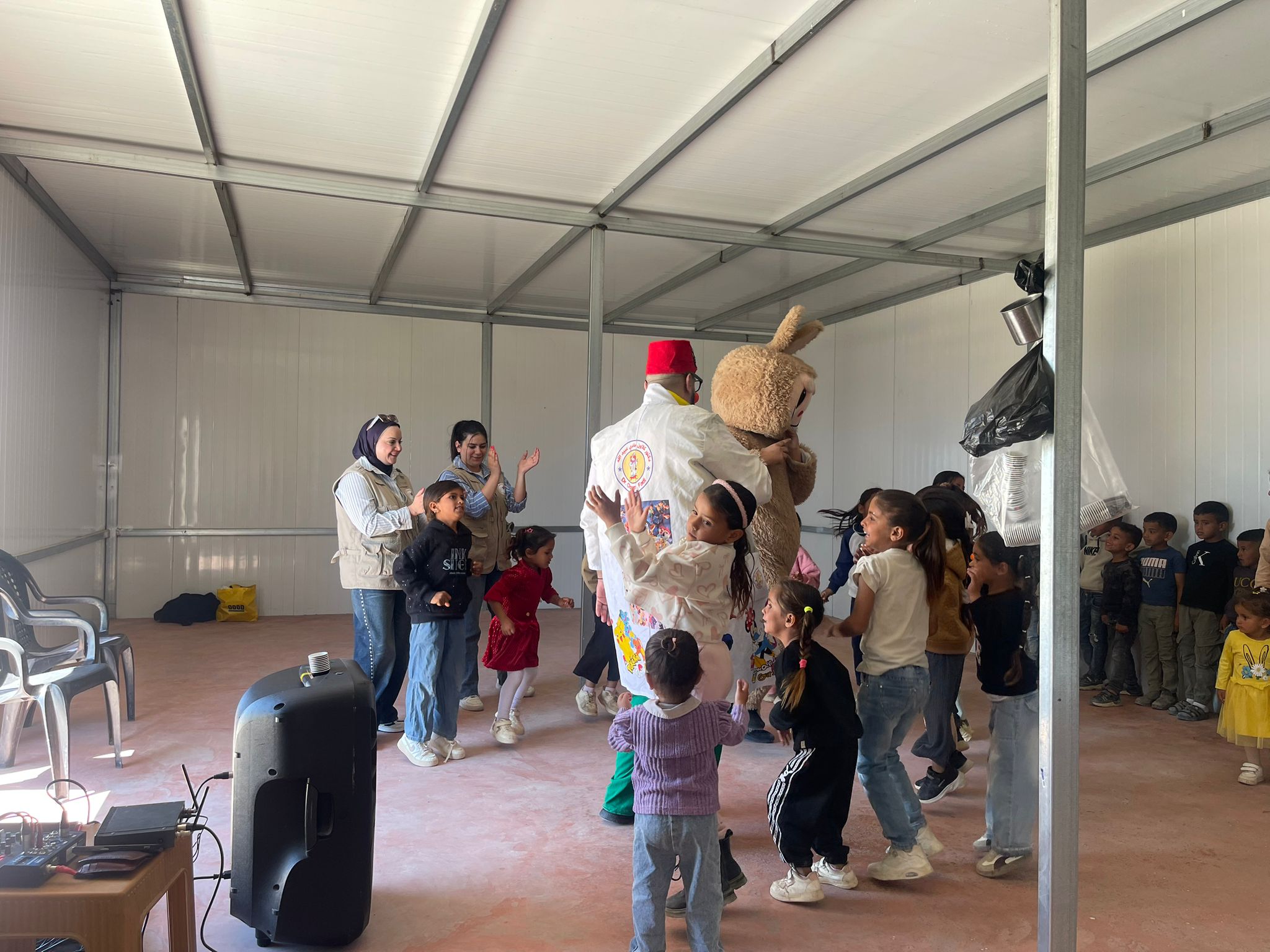
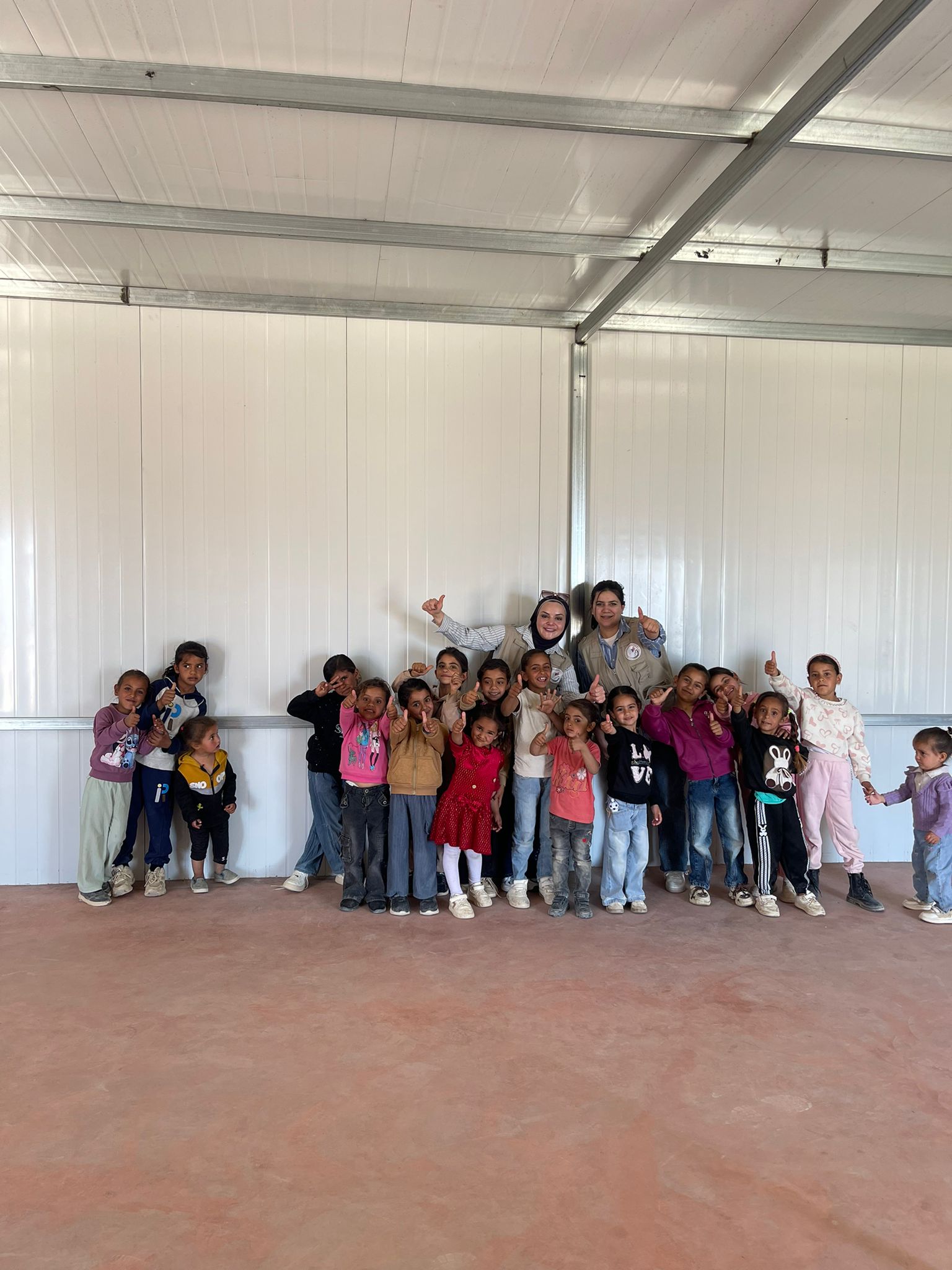
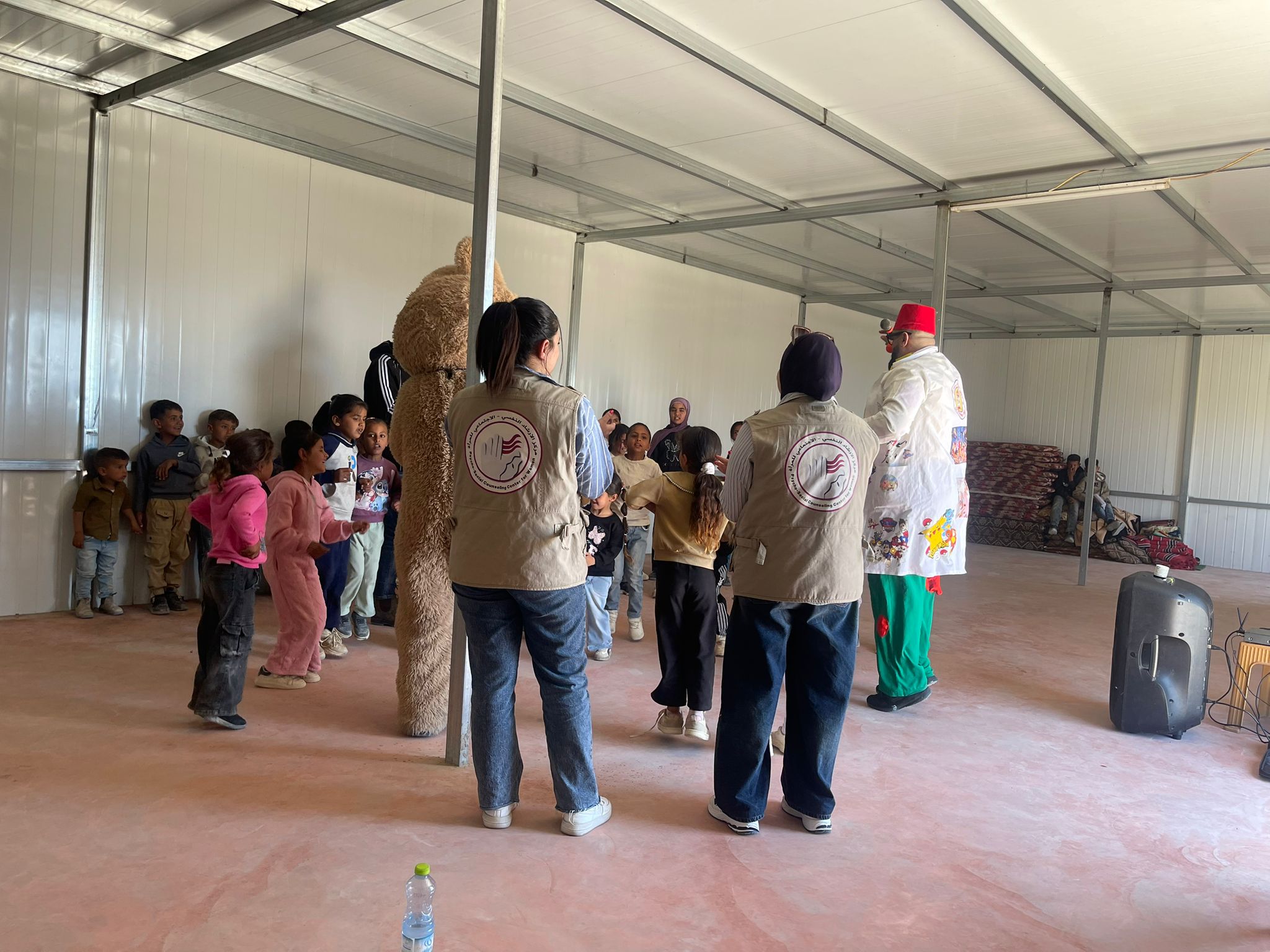
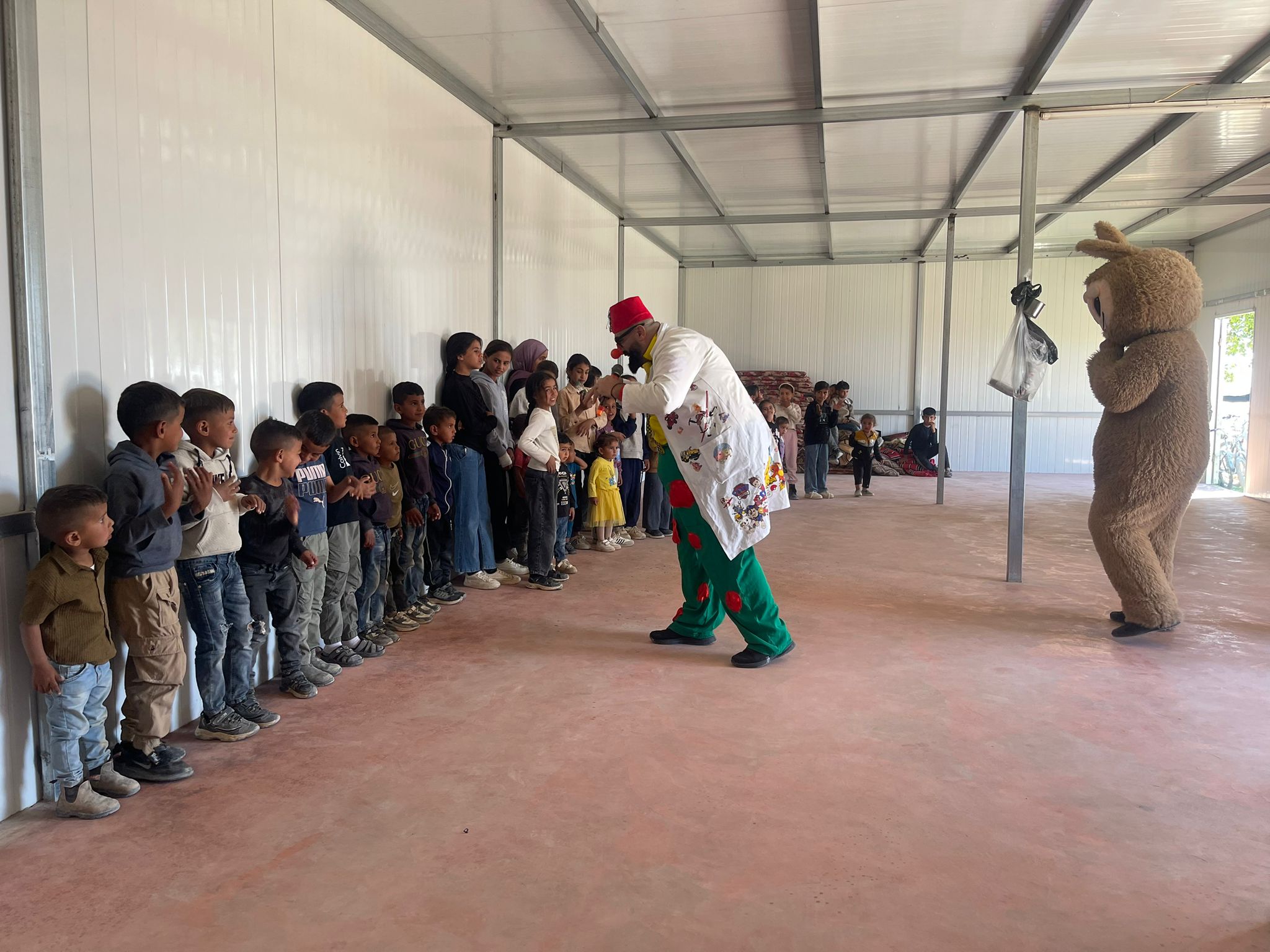
In Jericho Governorate, PSCCW carried out a recreational day targeting 40 displaced boys and girls from the Al-Auja Waterfall area, north of Jericho, who were forced to flee due to repeated settler attacks and have since settled in Al-Nuway’ima. A similar activity was also implemented in Hebron Governorate, targeting 56 displaced children from Al-Auja River, who have settled in the city under harsh displacement conditions imposed by ongoing violations.
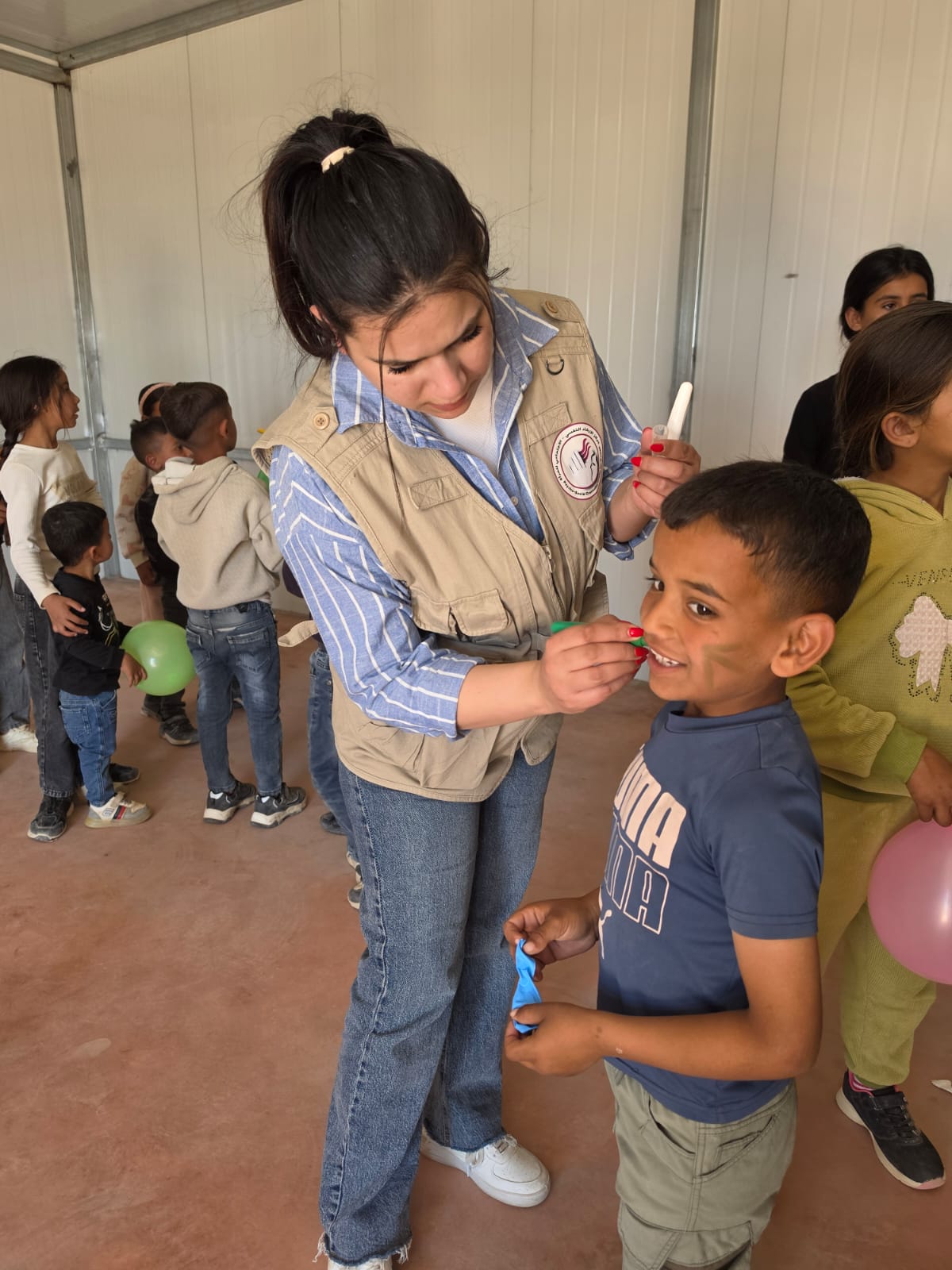
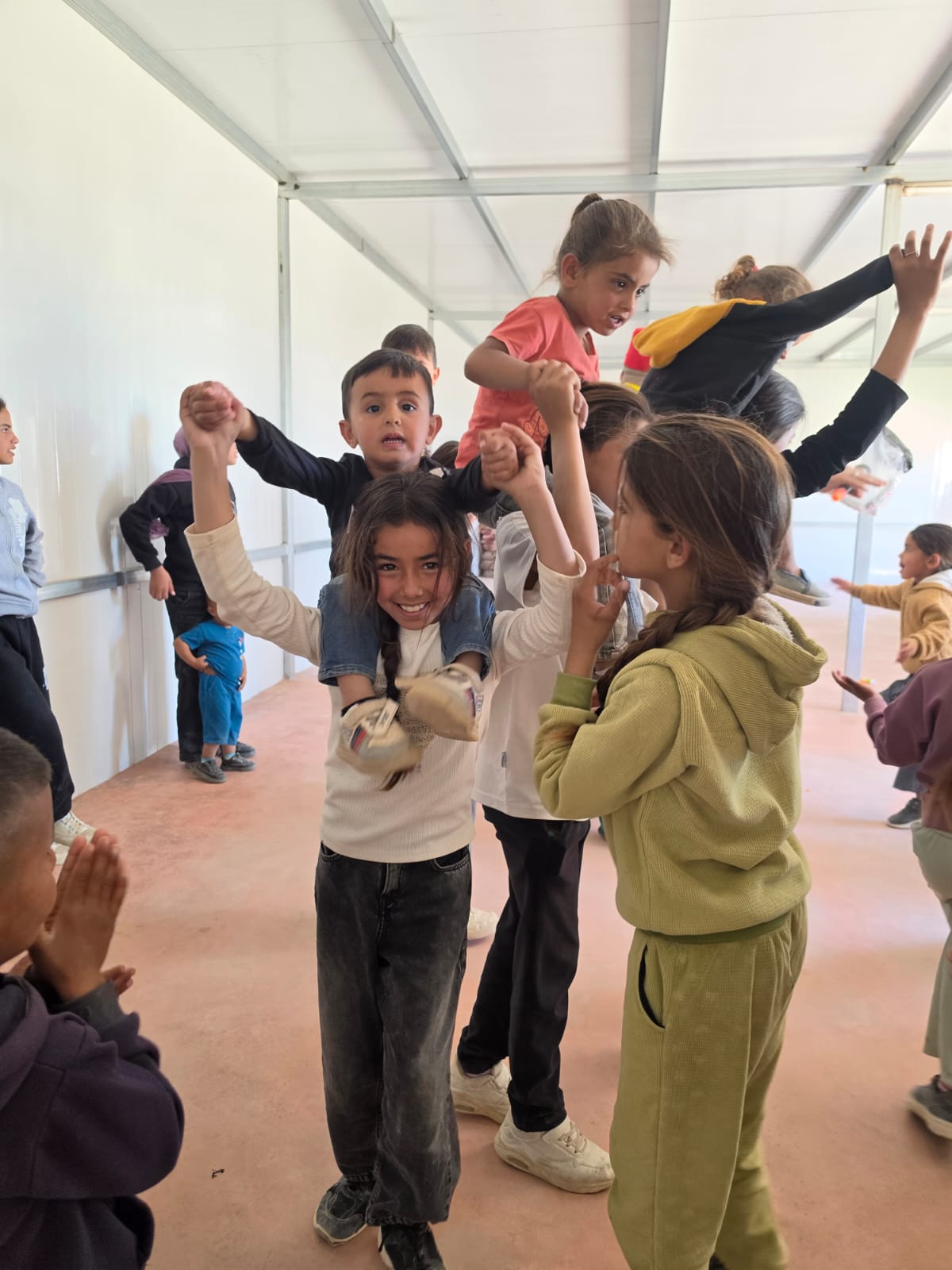
The activities were conducted in safe and supportive environments and included a variety of recreational and physical programs, such as group games, movement exercises, interactive and musical activities, in addition to face painting, which saw strong engagement and contributed to bringing joy and happiness to the children.
These interventions aimed to alleviate the psychological distress experienced by children as a result of displacement and harsh conditions, provide safe spaces for play and free expression, enhance social interaction and a sense of belonging, and support children’s mental well-being by helping restore a sense of reassurance and psychological stability
This activity builds on the Women’s Center for Psychological and Social Counseling’s ongoing interventions with displaced families. In the first phase, emergency humanitarian and relief assistance was provided to approximately 192 displaced families from several areas in Jericho Governorate, including Ras Ein Al-Auja, Al-Auja River, Al-Jiftlik, as well as the town of Rammun north of Ramallah, Hammamat Al-Maleh east of Tubas, and Wadi Qana located between Salfit and Qalqilya governorates.
PSCCW affirms that these interventions are part of an integrated approach that combines urgent humanitarian response with psychosocial support, ensuring the protection of the most vulnerable groups—particularly children—and strengthening their ability to remain resilient in the face of increasingly difficult humanitarian conditions.

 بيت لحم :
شارع القدس الخليل بجانب شركة الحلا
بيت لحم :
شارع القدس الخليل بجانب شركة الحلا